How a hotel RFID card lock actually works
What the card holds, why a lock with no wiring still knows a guest has checked out, and what the front desk is really doing when it writes a key.
For hotels6 min read
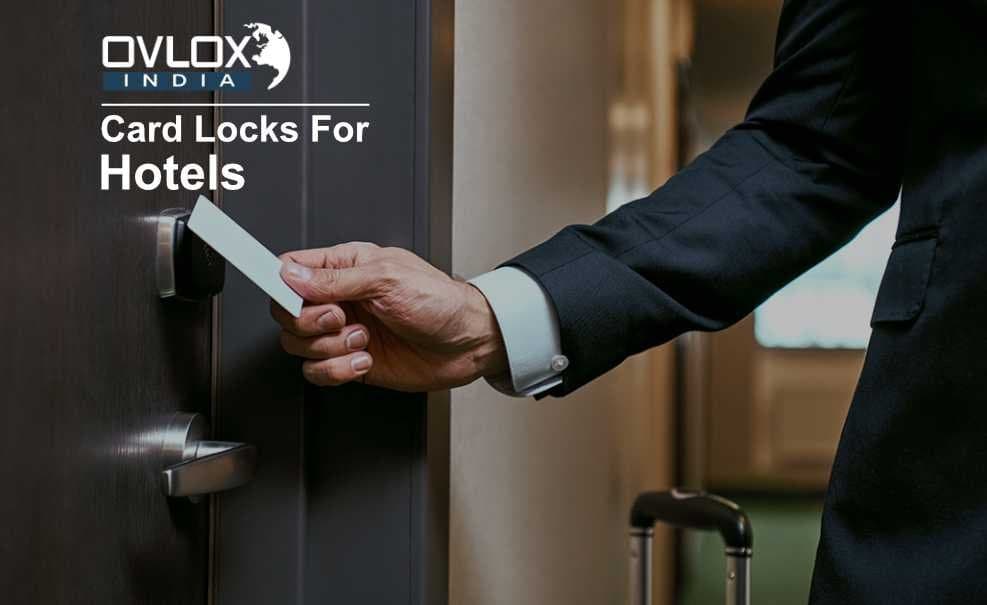
The question we are asked most often on a first site visit is the simplest one: if the lock is not wired to anything, how does it know the guest has left? It is a fair question, and the answer is the thing that makes card access practical in a working hotel.
The lock is offline, and that is the design
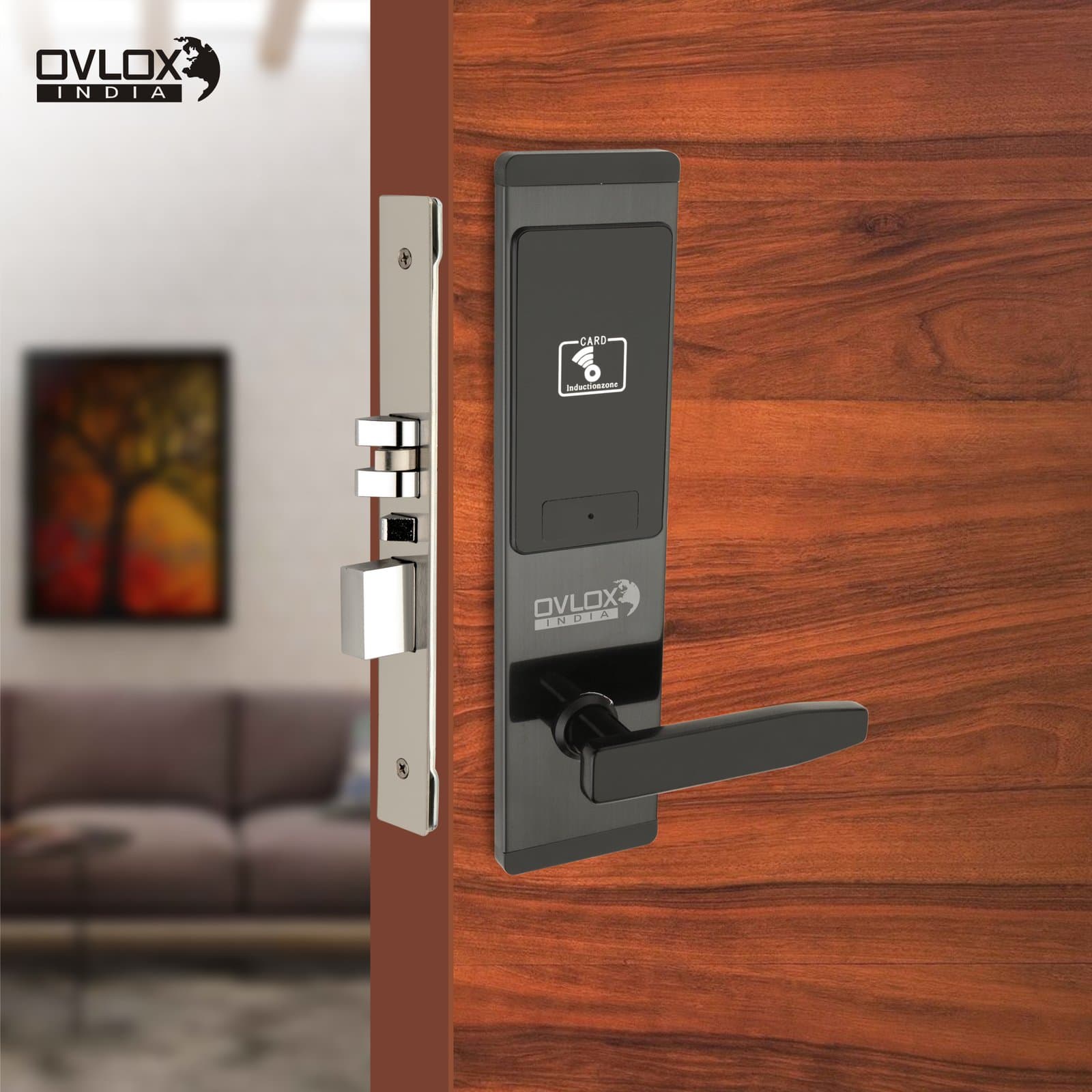
A guest-room card lock is a battery-powered unit with a card reader, a small processor and a motor. It is not on your network and it is not on the internet. Nothing is run to the door, which is why a floor can be converted without a cable tray, a conduit or an electrician.
What the lock holds is not a list of valid cards. It holds a clock, a door number, and the cryptographic key for the property. That is enough to answer the only question it ever has to answer: is the card in front of me one that this property issued, for this door, for a period that includes right now?
The card carries the permission, not the lock
When the front desk writes a card, it writes the room, a start time and an end time onto the card itself. The lock reads those, checks them against its own clock, and opens or does not. No message is sent to the door, before or after.
This is why check-out needs no action at the door. The card stops working at the hour written on it, whether or not the guest returns it, and whether or not anybody told the lock anything. A guest who keeps the card as a souvenir is holding an expired one.
It also means the lock's clock matters. A lock whose time has drifted will admit a card it should refuse, or refuse one it should admit. Clock checks belong in the service visit, which is one of the quieter reasons an AMC is worth having.
What the encoder is for
The encoder is the small writer at the front desk. It is the only device in the system that can create a card, which is what makes the property's key material something you can keep behind the desk rather than something that exists on every door.
- A guest card: one room, from check-in to check-out.
- A housekeeping card: a floor or a block, within working hours.
- A master card: everything, and the one you account for by name.
Cards are rewritten, not thrown away. A card coming back from a departed guest is written again for the next one, which is why the running cost of a card system is close to nothing once it is in.
What to ask a supplier
- How long does the battery last, and what does the lock do when it is low?
- What happens if the lock fails with a guest inside, and what is the mechanical override?
- Who holds the property's key material, and what happens if the encoder is lost or stolen?
- How is the lock's clock set and checked?
- Can the front desk issue a card when the property management system is down?
The last one catches people out. A system where the desk cannot write a key during an outage is a system that stops a check-in, and a hotel's worst hour is not the hour to find that out.
Found this useful?