RFID, biometric or PIN — which is right for your property?
A practical comparison of access methods for hotels, offices and residential buildings, and why most properties end up with more than one.
Choosing a lock6 min read
The three methods are usually argued about as though one has to win. In practice the right question is not which is best but which is best for who is going through that door, and how often.
The short version
| RFID card | Biometric | PIN | |
|---|---|---|---|
| Best for | Guests and short stays | A fixed, known group | Occasional or remote access |
| Issuing | Seconds, at the desk | Enrolment, in person | Instant, and sendable |
| If it is lost | Cancel and re-issue | Nothing to lose | Change it |
| Weak point | Can be handed over | Enrolment and wet or worn fingers | Gets shared and never changed |
Hotels
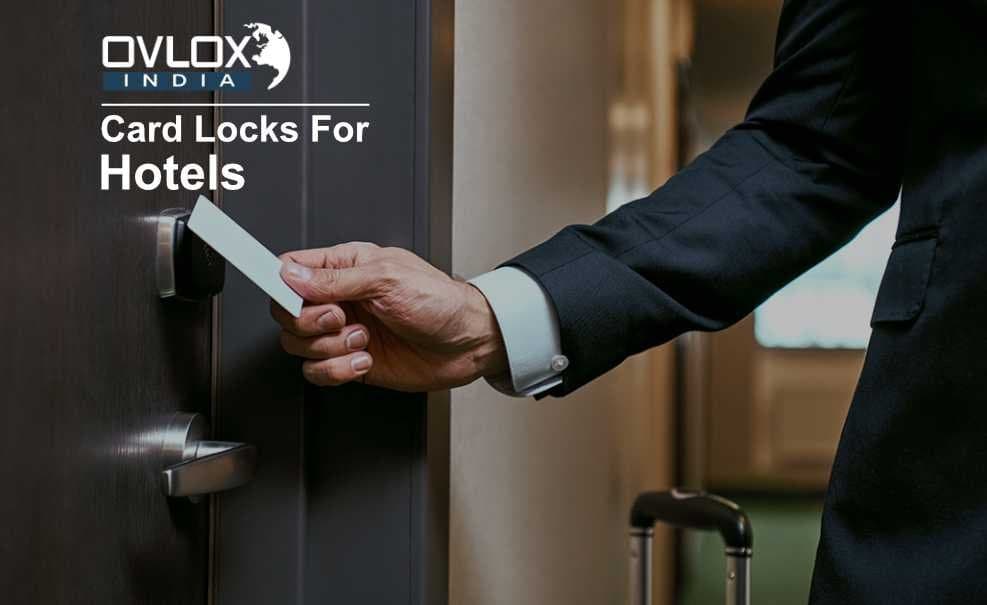
Cards, for a reason that has nothing to do with technology: a guest is a stranger who will be gone in two nights, and enrolling a stranger's fingerprint is both slower and a data question you do not want at a check-in desk. A card is written in seconds and expires by itself.
Offices
Usually biometric or card, and often both — biometric for staff, who are a known group and enrol once, and cards for contractors and visitors, who are not and do not. The deciding factor is turnover: the higher it is, the more a card earns its place.
Wet, worn or chemically exposed hands are the practical limit on biometrics, and it is an occupational one. Kitchens, workshops and clinical areas should be tested before the order, not after.
Homes and residential buildings
A PIN suits a household, because the people going through the door are few, permanent and trusted, and because a PIN can be given to a visitor over the phone. Its failure is social rather than technical: it gets shared once and then never changed.
Why most properties end up with two
Because the door is not the unit of decision — the person is. A hotel wants cards for guests and something accountable for staff. An office wants speed for the forty people who come every day and traceability for the four who came once.
Any lock that offers more than one method is really offering you a fallback, which is worth more than the primary method on the worst day. Ask what happens when the main method fails, and judge the answer.
Found this useful?